
What You Shouldn’t Ignore About Sudden Tooth Pain in GIllingham
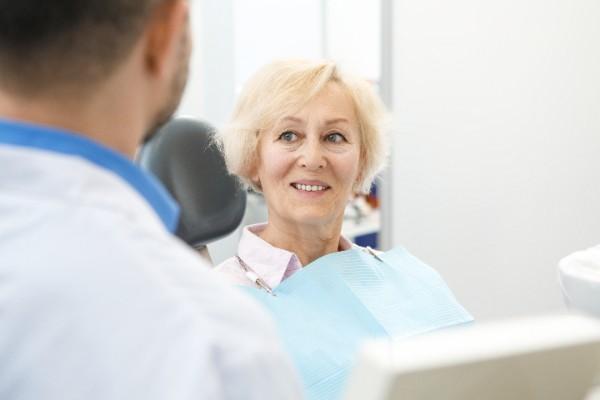
Sudden tooth pain is never pleasant—and it’s rarely random. Whether it’s a sharp jolt while biting or a dull throb that won’t fade, your mouth is trying to tell you something. Some dental issues can wait for a routine check-up, but others require fast action. In this guide, we’ll help you recognise when tooth pain is more than just a passing nuisance and may need a same-day call to your local dental practice.
The Most Common Causes of Sudden Tooth Pain
Tooth pain can vary in intensity and cause. Understanding the likely culprits helps you respond appropriately—and avoid unnecessary risks.

Tooth Decay Reaching the Nerve
Infections can silently develop under the surface. When decay progresses deep enough to reach the tooth’s nerve, the result is a deep, aching pain.
- The pain may worsen with hot, cold, or sweet foods.
- You may feel sensitivity even when not eating.
- An emergency dentist in Gillingham may recommend root canal treatment to save the tooth.
Cracked or Broken Tooth
Small cracks can expose the sensitive layers of your tooth. These don’t always show clearly, but the pain often gives them away.
- Biting causes sharp pain that quickly fades.
- The discomfort might come and go.
- If the crack deepens, it could lead to an infection or tooth loss.
Dental Abscess or Infection
A dental abscess is a sign that infection has spread into the surrounding tissues.
- You may notice a swollen face or jaw.
- Look out for pus discharge, swollen lymph nodes, or a bad taste.
- Don’t delay—an untreated abscess can affect general health.
Warning Signs You Shouldn’t Ignore
Pain isn’t the only red flag. Here are symptoms that suggest urgent dental care is needed.
Swelling That Spreads or Affects Function
Sudden swelling around the face or jaw can interfere with chewing, speaking, or even breathing.
- Apply a cold compress and avoid lying flat.
- Swelling linked with fever or redness suggests infection.
- An emergency dentist in Gillingham can drain an abscess or prescribe antibiotics if required.
Pus, Bad Taste, or Smell
These signs often mean bacteria are actively spreading.
- Pus may leak from the gum or near the tooth.
- Bad taste in your mouth may persist, even after brushing.
- Don’t wait—this can signal gum abscess or advanced gum disease.
Difficulty Opening Your Mouth Fully
Limited jaw movement, especially with pain or swelling, is a sign of something more serious.
- This could relate to a deep infection or issues with the jaw joint.
- If untreated, it can affect your ability to eat or breathe.
- Prompt attention can prevent complications.
What Can Make Tooth Problems Worse
Some dental issues arise suddenly, but others build over time. Certain habits can increase your risk of severe pain or dental emergencies.
Biting on Hard Foods
Crunching ice, boiled sweets, or popcorn kernels can easily crack enamel.
- A moment’s pressure can fracture fillings or natural teeth.
- Even hairline cracks can expose nerves.
- A cracked molar may not show damage on the surface but still hurt.
Previous Fillings Weakening the Tooth
Large or old fillings may weaken the surrounding tooth structure.
- A minor knock or bite could lead to a fracture.
- Fillings can also leak, allowing decay to progress underneath.
- Routine dental checks can help detect these issues early.
Accidents or Falls
A slip, sports injury, or even a child’s stray elbow can cause more damage than you’d expect.
- Damage may include a chipped or dislodged tooth.
- If a tooth is knocked out, place it in milk and call an emergency dentist immediately.
- Always wear a mouthguard during contact sports.
Orthodontic Pain or Damage
Not all pain stems from natural teeth. If you’re undergoing orthodontic treatment, certain symptoms could point to an urgent issue.
- Broken brackets or wires can poke soft tissues, leading to ulcers.
- Sudden pain might suggest that your braces are applying too much pressure.
- Contacting an orthodontist Gillingham at the first sign of discomfort helps avoid setbacks.
When Should You Contact an Emergency Dentist?
Not every twinge requires immediate care—but some symptoms signal a true dental emergency. Ask yourself the following:
If you answered “Yes” to any of the above, don’t delay—speak to an emergency dentist in Gillingham promptly.
How an Emergency Dentist Can Help
An experienced dental team is equipped to deal with urgent cases—whether it's pain relief, infection control, or temporary repairs. You may receive:
- A same-day appointment with a clear care plan
When you call with urgent pain, a same-day appointment ensures quick assessment and treatment. The dentist will examine the issue and outline a step-by-step plan to relieve symptoms and protect your oral health. - Antibiotics to control infection, if needed
If your pain is due to a spreading infection or abscess, antibiotics may be prescribed to stop it from worsening. These are typically used alongside other treatments to manage swelling and reduce the risk of complications. - Emergency fillings, crowns, or extractions
Lost fillings, broken crowns, or damaged teeth can be temporarily or permanently repaired during your emergency visit. In more severe cases, a tooth may need to be extracted to relieve pressure and prevent further harm. - Advice on what to eat and avoid until your next visit
Your dentist may recommend soft, non-acidic foods and avoiding hot or cold drinks. Following aftercare instructions can prevent irritation and help your mouth heal properly while you wait for any follow-up treatment.
Orthodontic issues can be handled just as swiftly. An orthodontist Gillingham may adjust your appliance, repair broken parts, or recommend a temporary solution to relieve pressure.
Prevention Tips to Avoid Sudden Tooth Pain
While accidents aren’t always avoidable, most dental pain is preventable. Simple habits can reduce your risk:
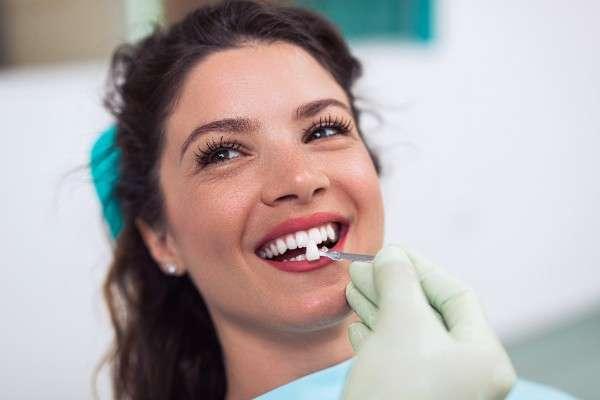
- Attend regular check-ups: Early issues are easier (and cheaper) to fix.
- Use a mouthguard: Especially if you grind your teeth at night or play sports.
- Watch your sugar intake: Plate loves sugary foods and drinks.
- Floss daily: This removes food and bacteria from places your brush can’t reach.
- Follow brace care instructions: If you’re wearing aligners or braces, follow advice from your orthodontist Gillingham closely.
Conclusion
Sudden tooth pain might seem like a minor issue, but it often points to deeper dental trouble. From abscesses to cracked teeth, knowing when to act can protect your oral and overall health. If you're unsure, it's always better to get it checked than to wait. For quick, compassionate care and expert advice, the team at Dental Implants Group is here to support you—whether it’s an urgent need or a concern about your braces. Let your smile get the attention it deserves exactly when it needs.

 English
 Arabic
 Français
 Español
 Português
 Deutsch
 Türkçe
 Dutch
Dutch
 Italiano
 Russian
 Romaian